If you picture Ashland as just a theater town, you are only seeing part of the story. Daily life here blends performances, park walks, downtown errands, and easy access to trails in a way that feels unusually connected for a small city. If you are thinking about living in Ashland, this guide will help you understand how the city actually feels day to day, from housing and walkability to seasons, culture, and outdoor life. Let’s dive in.
What daily life in Ashland feels like
Ashland is a small city in Jackson County with an estimated 20,935 residents, and its identity is shaped by tourism, entertainment, entrepreneurship, and outdoor experiences, according to U.S. Census data and local institutions referenced in the research. That mix shows up in everyday routines, not just in visitor marketing.
Instead of revolving around one single downtown activity center, Ashland’s lifestyle is built around a compact historic core, a strong arts calendar, and a trail network that starts surprisingly close to town. You can see that pattern in how local resources point residents toward performances, festivals, dining, park spaces, and seasonal recreation.
Theater shapes the rhythm
The clearest cultural anchor in Ashland is the Oregon Shakespeare Festival. Its 2026 season includes 10 productions running from March into late October, which means theater is not just a short annual event. It is a long seasonal presence that influences the pace of downtown life for much of the year.
That matters if you are considering a move. In Ashland, arts and entertainment are woven into the local rhythm, so your week might include dinner downtown, a live performance, or a community event without much planning. The city also points residents to community event calendars, which reflects a place where social life is often organized around the season’s events.
Downtown and dining connect easily
Ashland’s downtown is closely tied to its theater and restaurant scene. Official visitor materials and festival information show a strong connection between the downtown Plaza, the arts district, dining, and shopping, which makes the core feel active and easy to enjoy on foot.
For you, that can translate into a lifestyle where evening plans feel simple. You may be able to walk from dinner to a show, then loop through downtown before heading home, especially if you live near the center.
Outdoor life is part of town life
One of Ashland’s biggest strengths is that outdoor access is not pushed to the edges of daily life. It is built into the city’s layout, especially around Lithia Park and the trail systems that extend beyond it.
The city describes Lithia Park as a 100-acre downtown park with trails, a Japanese garden, two duck ponds, a swim reservoir, picnic areas, and free guided walks. Since it sits right next to the center of town, it does not feel like a separate destination. It feels like part of the everyday backdrop.
Trails go beyond the park
Ashland’s outdoor network stretches well past Lithia Park. The city says the area has more than 53 miles of trails, and the broader Ashland Watershed includes more than 45 miles of multi-use trails across 15,000-plus acres, according to the city’s parks and trails information.
That gives you options for everything from a short in-town walk to a more ambitious outing. Some routes connect toward Mt. Ashland, which adds another layer to the city’s lifestyle, especially for people who want quick access to mountain recreation.
Seasons change how people use Ashland
Ashland is a place where the season affects your routine in a noticeable way. Spring through fall tends to be shaped by theater, festivals, park use, and trail activity. Winter adds the nearby appeal of Mt. Ashland, giving residents a recreation option that complements the rest of the year.
At the same time, outdoor access comes with practical realities. The watershed can have restrictions or closures during high fire danger, and rules such as no camping or campfires are part of using the area responsibly.
Can you live in Ashland without driving everywhere?
The short answer is sometimes, depending on where you live. Ashland is best understood as walkable in the core rather than fully car-free across the whole city.
The city’s walkability framework focuses on direct and convenient ways to get around, and Walkable Design Standards help explain that goal. Research cited for this topic also notes a citywide Walk Score of 55, while a downtown-adjacent address at 131 Church Street scores 87. That gap suggests a real difference between living near downtown and living farther out.
What that means for your routine
If you live close to downtown, you may be able to handle many errands, meals, and evening activities on foot. That can be a major lifestyle benefit if you want more flexibility and less dependence on a car for every small outing.
If you live outside the central core, car access still matters more. You may still enjoy Ashland’s parks, trails, and downtown amenities often, but your daily routine will likely be more car-light than car-free.
What kinds of homes are common in Ashland?
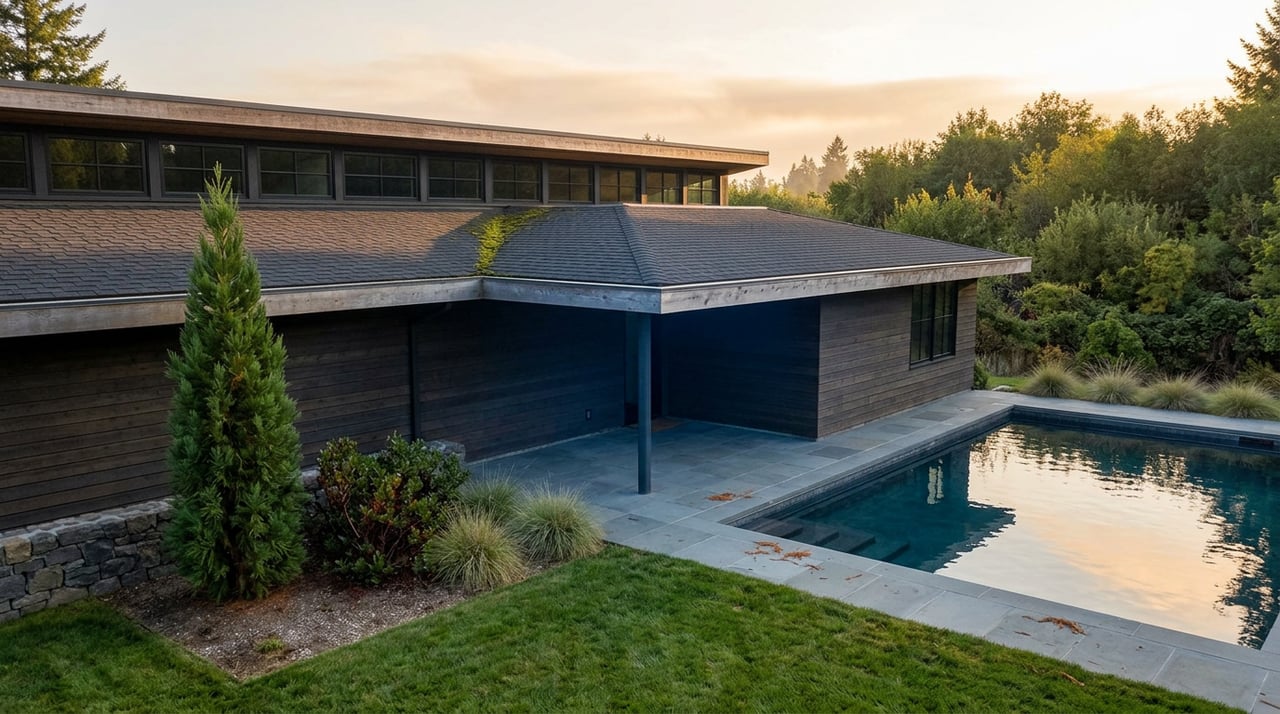
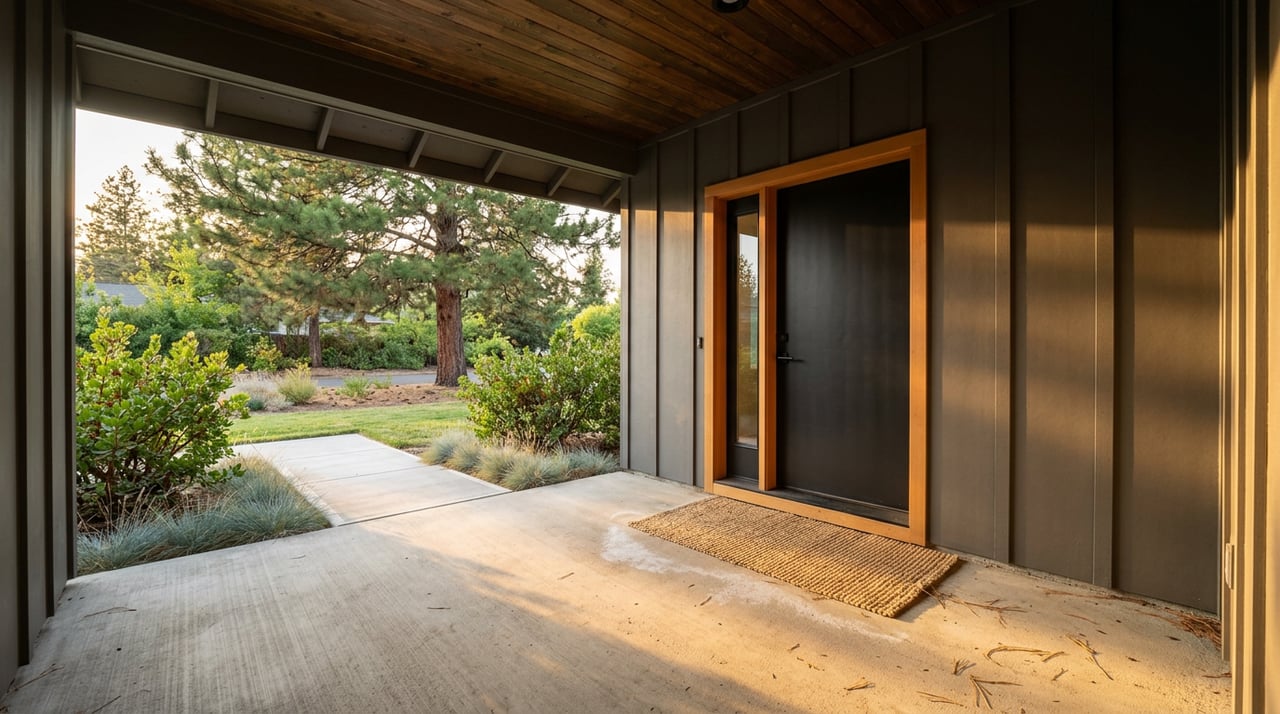
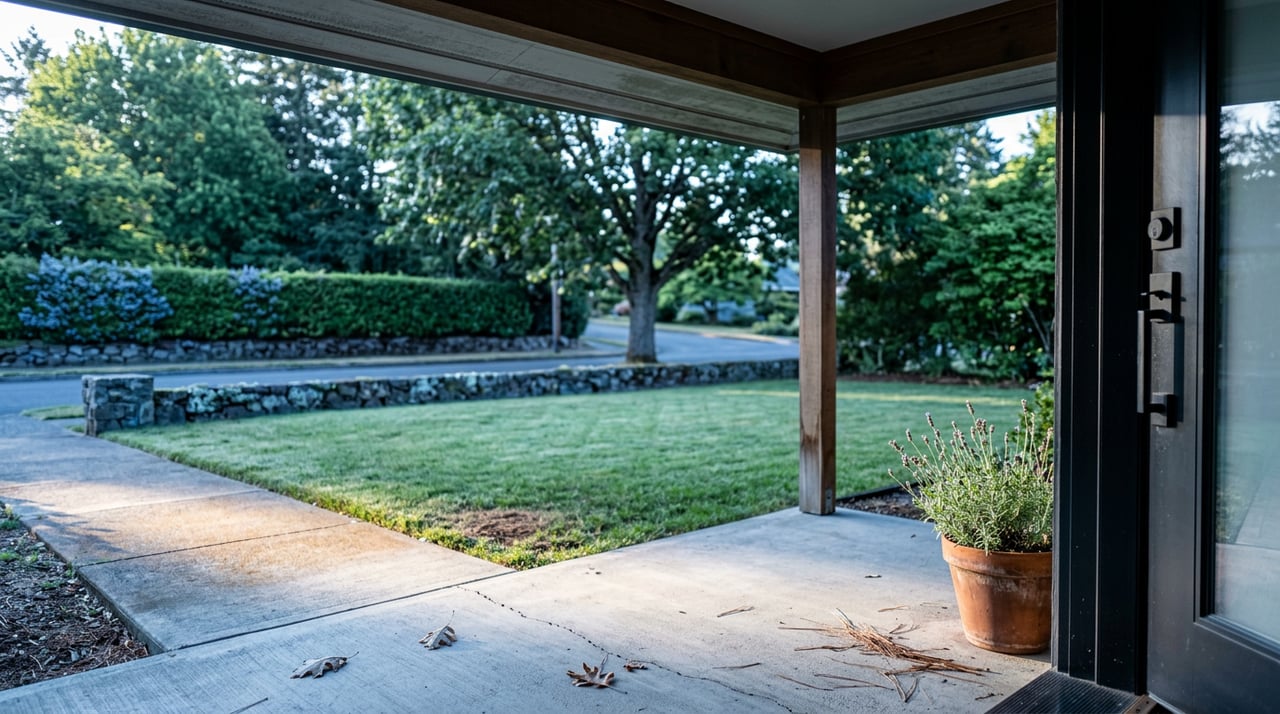
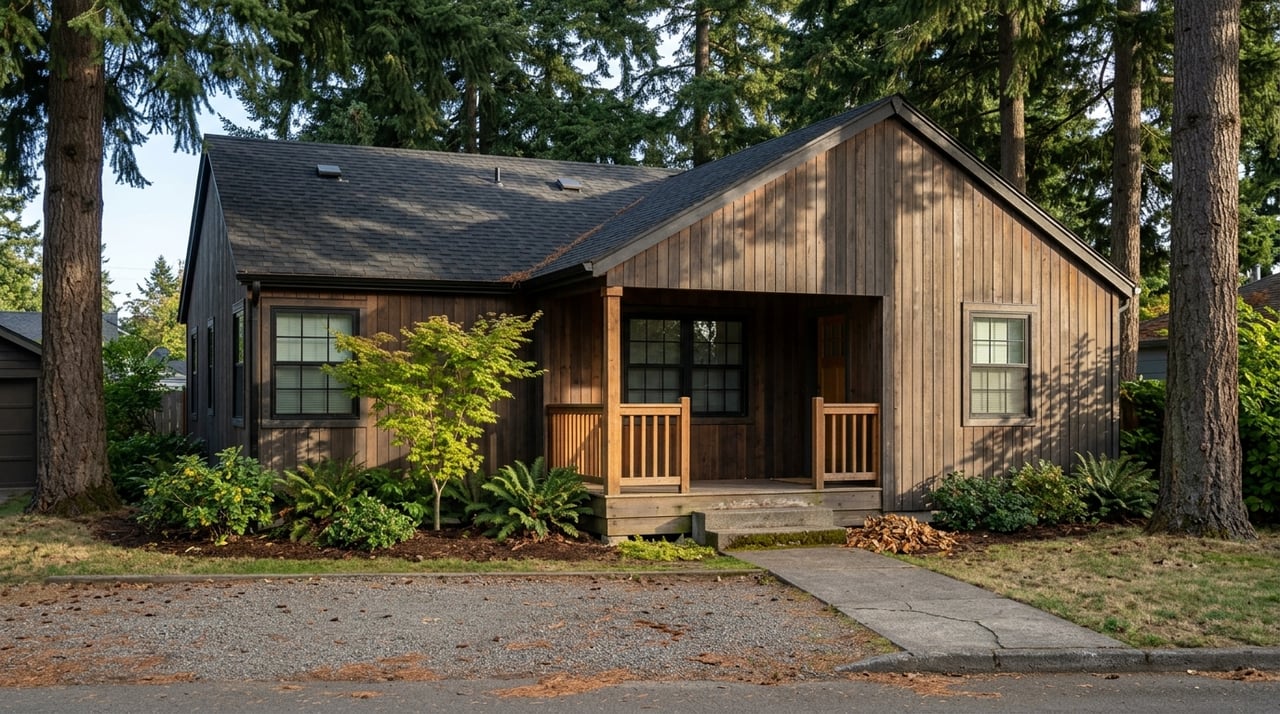
Ashland’s housing stock is older, mostly single-family, and mixed enough to give buyers several types of options. According to the city’s 2025-2029 Consolidated Plan, 59.3% of units are detached single-family homes, 13.1% are attached single-family homes, 10.4% are in 2-4 unit buildings, 7.4% are in 5-19 unit buildings, 8.3% are in buildings with 20 or more units, and 1.5% are mobile homes or similar housing.
That means detached homes lead the market, but they are not the only choice. Depending on your goals, you may also find attached homes or smaller multifamily options that fit a lower-maintenance lifestyle.
Much of the housing is older
The same city plan reports that 78.4% of occupied units were built before 2000. That older age profile helps explain why Ashland often feels established rather than newly built.
For buyers, older housing can mean more architectural character, mature surroundings, and varied home styles. It can also mean you should pay close attention to condition, updates, and long-term maintenance when comparing properties.
Pricing sets expectations
Ashland is also a relatively expensive market compared with what some buyers expect elsewhere in Southern Oregon. The same city plan lists a median home value of $573,700 and a median rent of $1,367.
If you are budgeting for a move, that makes planning important. Understanding your must-haves, location priorities, and tolerance for older housing features can help you narrow down the right fit more quickly.
Historic character stands out
Ashland’s older housing and downtown fabric are part of what gives the city its distinct feel. The Ashland Downtown Historic District is described by the National Park Service as a dense commercial core with traditional architecture and vertical masonry buildings.
That historic setting shapes the atmosphere of everyday life near the center. It is one reason Ashland feels different from newer suburban areas where commercial spaces, housing, and public places are more spread out.
Architecture adds variety
Historic residential examples in Ashland include Victorian Italianate and Colonial Revival homes, and local architect Frank Chamberlain Clark contributed work across styles such as Queen Anne, Colonial Bungalow, Arts and Crafts, and Prairie Style, according to the National Park Service research.
You do not need to be an architecture expert to notice the effect. The variety of older homes and building styles helps create a sense of place that many buyers find appealing when they want something more distinctive than a standard subdivision feel.
Why Ashland appeals to so many buyers
Ashland stands out because it offers more than one lifestyle benefit at the same time. You are not choosing only arts, only trails, or only a walkable downtown experience. You are choosing a city where those elements overlap.
For some buyers, the draw is the ability to be close to performances, restaurants, and local events. For others, it is the access to Lithia Park, the watershed, and nearby mountain recreation. For many, it is the combination of a compact historic core and a housing stock with character.
Is Ashland the right fit for you?
Ashland may be a strong fit if you want a town where culture and outdoor access both matter in daily life. It can also make sense if you value being near a walkable center, understand that housing tends to be older, and are prepared for a market with relatively higher home values.
If you are comparing Ashland with other Jackson County communities, the key question is not whether Ashland has things to do. It clearly does. The better question is whether you want your daily routine to be shaped by a downtown arts scene, nearby trails, and a strong sense of season.
When you are ready to explore Ashland homes or compare neighborhoods across Jackson County, Blue Mountain Group can help you narrow your options, understand the local market, and move forward with a clear plan.
FAQs
Is Ashland, Oregon, a walkable place to live?
- Ashland is most walkable in the downtown core, where errands, dining, and evening plans can often be done on foot, while car access is still more important in other parts of the city.
What types of homes are most common in Ashland, Oregon?
- Detached single-family homes are the most common, with additional options including attached homes, small multifamily buildings, larger multifamily buildings, and a small share of mobile homes or similar housing.
What is everyday life like in Ashland, Oregon?
- Everyday life in Ashland often blends downtown dining, seasonal performances, community events, park access, and nearby trails, giving the city a rhythm shaped by both arts and outdoor recreation.
Does Ashland, Oregon, have good access to parks and trails?
- Yes, Ashland includes Lithia Park in the downtown area and a broader local trail network with more than 53 miles of trails, plus extensive multi-use trails in the Ashland Watershed.
Is Ashland, Oregon, mostly newer or older housing?
- Ashland’s housing stock is mostly older, with 78.4% of occupied units built before 2000, which contributes to the city’s established and historic feel.
How do the seasons affect living in Ashland, Oregon?
- Spring through fall are shaped by theater, festivals, parks, and trails, while winter adds access to Mt. Ashland and seasonal outdoor recreation opportunities.